
What consumables are required for automated sample preparation systems?
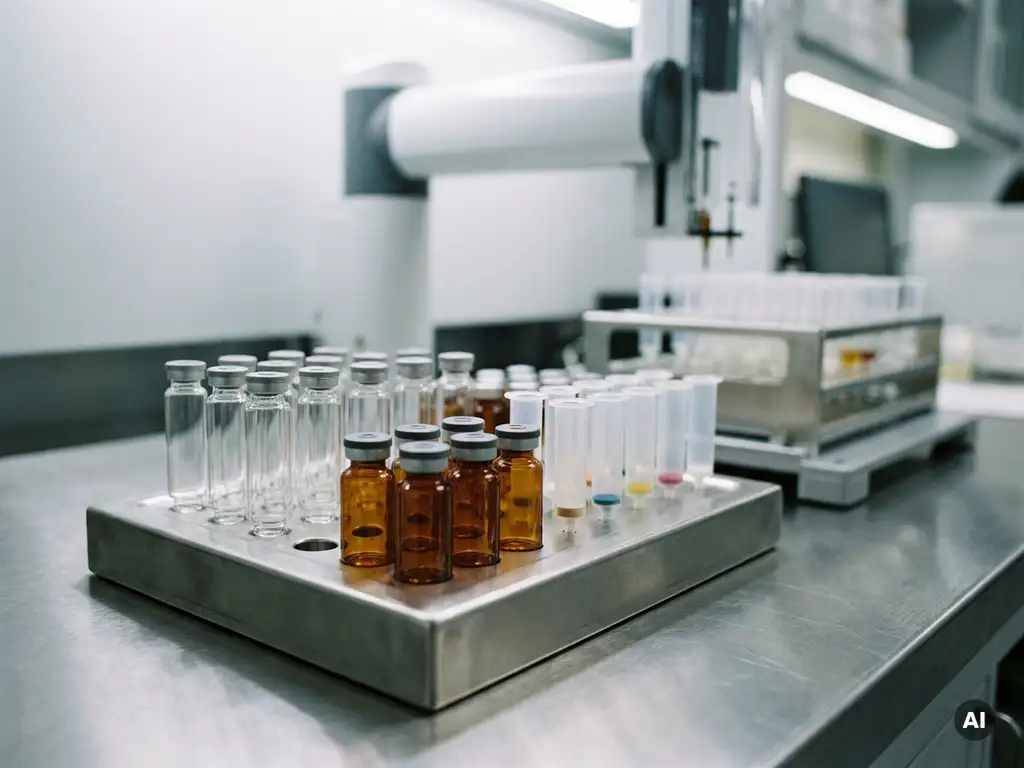
Automated sample preparation systems require a defined set of consumables that must be replenished regularly to maintain analytical performance. The core consumables include SPE cartridges or disks, cleanup columns, collection vessels, solvents, and certified analytical standards. The exact combination depends on the target analytes, the sample matrix, and the specific system in use. The sections below break down the most common consumable requirements by workflow type, replacement frequency, and sourcing considerations.
Which consumables are most commonly replaced in automated cleanup systems?
The most frequently replaced consumables in automated cleanup systems are SPE cartridges or disks, multi-layer cleanup columns, collection vials, and solvent reservoirs. These items are typically single-use or have a defined lifespan tied to the number of samples processed, and their condition directly affects extraction recovery and data quality.
In systems designed for persistent organic pollutants such as dioxins and PCBs, the cleanup stage relies on packed columns containing sorbents like activated carbon, silica, alumina, or Florisil. These columns selectively retain matrix interferences while allowing target analytes to pass through. Because the sorbent capacity is finite, columns must be replaced after a set number of runs to prevent carryover and ensure consistent purification performance.
For SPE-based platforms handling larger sample volumes, disk-based formats are common. Systems such as the AutoEmpore support 25 mm, 47 mm, and 90 mm disks alongside 1 mL to 12 mL cartridges, and each of these is a single-use item replaced between sample batches. Collection vessels, including glass tubes and volumetric vials, are also replaced or thoroughly cleaned between runs. In addition, certified analytical standards used for spiking, calibration, and recovery checks are consumed with every analytical batch and must be restocked on a routine basis.
How do consumable requirements differ between dioxin, PCB, PFAS, and pesticide workflows?
Consumable requirements differ significantly between dioxin, PCB, PFAS, and pesticide workflows because each analyte class has distinct chemical properties that drive different cleanup chemistries, sorbent types, and material compatibility needs. Choosing the wrong consumables for a given workflow can result in poor recovery, contamination, or regulatory non-compliance.
Dioxin and PCB workflows
Dioxin and PCB analysis demands multi-layer cleanup columns that combine activated carbon with silica and alumina layers to remove co-extracted lipids and other matrix interferences. These columns are highly selective but also highly specific to the analyte class, meaning they cannot be repurposed across different workflows. GO-EHT automated systems are designed around this type of column chemistry, using less than 100 mL of solvent per sample and eliminating the need for dichloromethane. Isotopically labeled internal standards for PCDD/F and PCBs are essential consumables in every analytical batch and must meet strict purity and traceability requirements.
PFAS workflows
PFAS sample preparation introduces a unique material compatibility challenge. Because PFAS compounds are found in many fluoropolymers, including PTFE and Teflon, any labware or flow path containing these materials can introduce background contamination. This means PFAS workflows require SPE cartridges, tubing, and fittings made from inert, fluoropolymer-free materials. Sorbents such as weak anion exchange or mixed-mode phases are the standard choice for PFAS retention. Blank contamination controls and certified PFAS reference standards are critical consumables that must be sourced from accredited manufacturers.
Pesticide workflows
Pesticide analysis typically uses dispersive SPE or cartridge-based SPE with sorbents such as C18, PSA (primary secondary amine), or graphitized carbon black, depending on the matrix. Consumable volumes tend to be higher per batch when processing food or agricultural matrices because of the complexity of the co-extracted material. Solvent consumption is generally lower than in dioxin workflows, but the variety of sorbent types required across different pesticide classes means laboratories often stock a broader range of cartridge formats.
Does automation reduce the number of consumables needed per sample?
Yes, automation generally reduces consumable consumption per sample compared to manual methods, primarily by optimizing solvent volumes, minimizing repeat extractions caused by human error, and enabling tighter control over each processing step. The reduction is most pronounced in solvent-intensive workflows such as dioxin and PCB analysis.
In manual Soxhlet or liquid-liquid extraction workflows, solvent volumes per sample can reach several hundred milliliters. Fully automated systems compress this significantly. The SER-158 extraction system, for example, processes up to six samples using less than 100 mL of solvent per sample, and solvents are collected in a recovery tank for potential reuse, further reducing net consumption. Similarly, the GO-EHT cleanup platform keeps total solvent exposure below 100 mL per sample without requiring dichloromethane, which eliminates a hazardous and costly reagent from the consumable list entirely.
Automation also reduces the incidence of failed runs. In manual workflows, analyst error during column packing, solvent addition, or fraction collection can result in a repeat extraction, effectively doubling consumable use for that sample. Automated systems execute each step with programmed precision, which means fewer reruns and more predictable consumable consumption per batch. For high-throughput laboratories running dozens of samples per week, this translates into meaningful cost savings over time.
What should laboratories consider when sourcing consumables for automated systems?
When sourcing consumables for automated sample preparation systems, laboratories should prioritize compatibility with their specific platform, traceability of the consumables to accredited manufacturers, and consistency of supply. Substituting consumables from unapproved sources can invalidate validated methods and create compliance issues under ISO 17025 accreditation requirements.
Platform compatibility is the first consideration. Cartridge dimensions, disk formats, and column geometries must match the system’s specifications precisely. An SPE system configured for 6 mL cartridges cannot simply accept a different format without risking flow path issues or incomplete extraction. Laboratories should confirm compatibility with the system supplier before switching consumable sources.
For analytical standards used in dioxin, PCB, and PFAS workflows, traceability to ISO 9001, ISO/IEC 17025, and ISO Guide 34 certified manufacturers is a regulatory requirement in most accredited settings. Standards must come with certificates of analysis that document purity, concentration, and stability. Custom-made standard solutions and mixtures are available from specialist suppliers for laboratories running non-standard calibration schemes.
Supply chain reliability is another practical concern, particularly for high-throughput laboratories that cannot afford delays in consumable delivery. Establishing relationships with distributors who stock commonly used items and can provide short lead times reduces the risk of workflow interruption. Laboratories should also consider lot-to-lot consistency when evaluating sorbent-based consumables, since variability between lots can affect recovery and retention behavior.
How often do consumables need to be replaced in high-throughput labs?
In high-throughput laboratories, SPE cartridges and cleanup columns are replaced with every sample or every batch, depending on whether they are single-use or have a defined capacity rating. Vials and collection vessels are replaced per run, while analytical standards are restocked based on batch frequency and calibration scheme requirements, typically monthly to quarterly.
The replacement interval for cleanup columns in dioxin and PCB workflows is usually defined by the validated method and the column’s certified capacity. Most activated carbon-based columns are single-use by design, meaning one column per sample. In a laboratory processing 20 samples per week, this translates to 80 or more columns per month, plus the corresponding volume of solvents, standards, and collection vessels.
For SPE-based systems processing water samples, disk replacement follows a similar pattern. The AutoEmpore, for instance, processes samples using disks that are replaced between runs. In a 12-channel configuration running parallel sequences, the number of disks consumed per day can be substantial, and procurement planning should account for this volume.
Evaporation consumables such as nitrogen supply for blowdown systems or rotor components in vacuum centrifuges have longer replacement intervals, but they should be inspected regularly to ensure they are not introducing contamination or affecting evaporation efficiency. Establishing a consumable tracking log tied to sample counts helps laboratories anticipate replacement needs before they affect throughput.
How DSP-Systems supports your consumable and system needs
DSP-Systems provides laboratories with a complete ecosystem of automated sample preparation platforms and the consumables required to run them reliably. Whether you are setting up a new workflow or optimizing an existing one, DSP-Systems offers:
- Fully automated cleanup and extraction systems compatible with dioxin, PCB, PFAS, pesticide, and PBDE workflows, including the GO-EHT platform and SPE2000
- Certified isotopically labeled and native analytical standards from ISO-accredited manufacturers, including complete kit solutions for GO-EHT applications
- Column sets with documented certificates of quality for dioxin and PCB cleanup
- Method development and validation support to ensure your consumable choices align with regulatory requirements
- Turnkey laboratory setups and training so your team can operate systems and manage consumable workflows from day one
Contact DSP-Systems to discuss your laboratory’s consumable requirements and find the right configuration for your sample preparation workflow.
Veelgestelde vragen
Can I use third-party consumables with my automated sample preparation system without affecting method validity?
Using third-party consumables is possible in some cases, but it carries significant risks. Cartridge dimensions, sorbent chemistry, and column geometry must match your system’s validated specifications exactly — even minor deviations can cause flow path issues, reduced recovery, or carryover. Under ISO 17025 accreditation, switching to an unapproved consumable source may require revalidation of the affected method, so always confirm compatibility with your system supplier before making any substitutions.
What is the best way to track consumable usage and plan procurement in a busy laboratory?
The most effective approach is to maintain a consumable tracking log tied directly to sample counts, which allows you to forecast replacement needs based on actual throughput rather than calendar intervals. Many high-throughput labs assign a dedicated inventory role or use laboratory information management systems (LIMS) to automate reorder triggers. Establishing minimum stock thresholds — particularly for single-use items like SPE cartridges and cleanup columns — helps prevent unexpected workflow interruptions, especially for consumables with longer supplier lead times.
How do I know when a cleanup column has reached the end of its usable capacity?
For most activated carbon-based cleanup columns used in dioxin and PCB workflows, the replacement interval is defined by the validated method and the column’s certified capacity rating — not by visual inspection or performance drift. In practice, this means columns should be replaced after the manufacturer-specified number of samples, regardless of whether any degradation is apparent. Relying on observable signs of column exhaustion, such as reduced recovery or breakthrough of matrix interferences, means the column has already compromised your data quality.
Are there any consumables specific to PFAS workflows that are often overlooked during laboratory setup?
One of the most commonly overlooked aspects of PFAS workflow setup is auditing the entire flow path — not just the SPE cartridges — for fluoropolymer-containing materials. Tubing, fittings, seals, and even certain vial caps made from PTFE or Teflon can leach PFAS compounds into samples and elevate background contamination. Procedural blank controls are a critical consumable that must be run alongside every analytical batch to detect and quantify any background contribution from the system itself.
What happens if lot-to-lot variability in SPE sorbents affects my extraction recoveries?
Lot-to-lot variability in sorbent-based consumables is a real and underappreciated source of analytical inconsistency. If you observe a shift in recovery or retention behavior after receiving a new lot of cartridges or columns, the first step is to run a side-by-side comparison using your standard quality control samples to quantify the difference. When variability is confirmed, contact your supplier for a certificate of analysis for the new lot and consider requesting a replacement or qualifying the new lot through a formal acceptance procedure before deploying it in routine analysis.
Is solvent recovery and reuse from automated systems practical, and what should laboratories be aware of?
Solvent recovery is a practical and cost-effective feature of some automated extraction systems — for example, the SER-158 collects used solvents in a recovery tank for potential reuse, which can meaningfully reduce net solvent consumption in high-throughput settings. However, recovered solvents must be assessed for contamination before reuse, as co-extracted matrix components or analyte carryover can compromise subsequent extractions. Laboratories operating under accreditation should document their solvent recovery and reuse procedures to ensure they remain compliant with their quality management system.
How should laboratories handle the storage and stability management of certified analytical standards?
Certified analytical standards for dioxin, PCB, and PFAS workflows are typically stored at low temperatures — often -20°C or lower — and have defined shelf lives documented in the certificate of analysis. Laboratories should implement a first-in, first-out (FIFO) inventory system and record opening dates for each standard to track in-use stability. Expired or improperly stored standards should never be used for calibration or spiking, as degraded standards directly compromise the accuracy of quantitative results and can lead to regulatory non-compliance in accredited settings.
Gerelateerde artikelen
- How do automated systems ensure traceability throughout sample processing?
- Can automation help labs handle seasonal spikes in sample volume?
- What is the environmental footprint of a fully automated laboratory?
- How do you validate an automated sample preparation method?
- How long does it take to implement a laboratory automation system in 2026?
Deze inhoud is gegenereerd met behulp van AI en kan fouten bevatten.