

Can automated systems run unattended overnight in a laboratory?
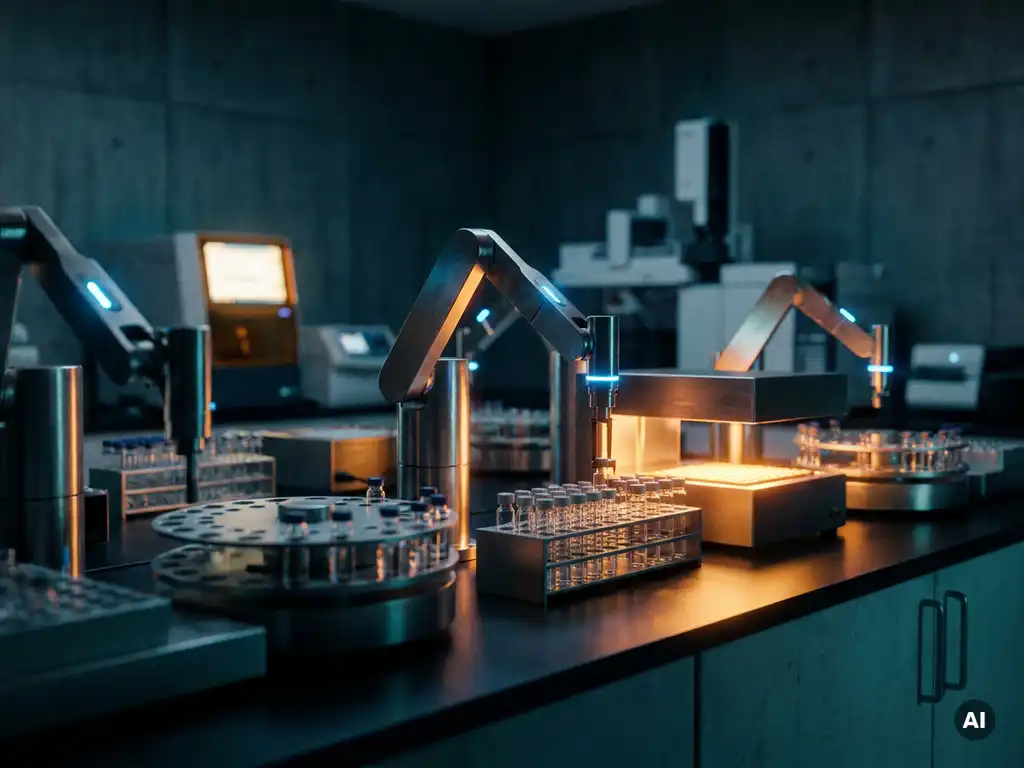
Yes, automated sample preparation systems can run unattended overnight in a laboratory. Modern platforms are purpose-built for exactly this kind of extended, unsupervised operation, combining programmed sequences, error detection, and solvent-safe enclosures to keep processes running safely after staff have left. The questions below unpack what makes overnight automation reliable, which systems support it, and when it makes sense for your lab to make the switch.
What safety mechanisms allow lab automation to run overnight?
Automated sample preparation systems designed for overnight operation incorporate multiple layers of built-in safety mechanisms that allow them to run without human supervision. These typically include leak detection sensors, solvent containment enclosures, automatic shutdown triggers on fault conditions, and programmed sequence controls that prevent the system from advancing if a preceding step has not completed correctly.
In practice, the most critical safety features fall into three categories. First, physical containment: systems are enclosed so that any solvent spill or unexpected release stays within the instrument rather than reaching the bench or floor. Second, electronic fault monitoring: pressure sensors, flow monitors, and temperature controls continuously verify that the system is operating within defined parameters. If a value falls outside the acceptable range, the system halts and logs the event. Third, software-level sequence control: the instrument only proceeds to the next step when the previous one has been verified as complete, preventing cascading errors from propagating through a long overnight run.
For laboratories analyzing persistent organic pollutants such as dioxins, PCBs, and PFAS, an additional safety advantage comes from systems where samples never come into direct contact with the instrument itself. This design eliminates cross-contamination risk and also simplifies the safety profile of overnight runs, since there is no residual sample material left in flow paths that could react unpredictably.
Which types of automated systems are designed for unattended operation?
Several categories of automated laboratory systems are specifically engineered for unattended overnight operation. These include fully automated cleanup and purification platforms, automated Solid Phase Extraction (SPE) systems, solvent extraction units, and evaporation systems with programmed endpoints. Each is designed to execute multi-step workflows from start to finish without operator intervention.
Automated cleanup and purification platforms
Fully automated purification systems, such as those based on multi-column chromatographic cleanup, are among the most capable platforms for overnight runs. They can process sequences of samples one after another, completing lipid removal, fractionation, and concentration steps in a defined order. Systems in this category are commonly used for dioxin, PCB, PBDE, and PCN analysis across matrices including food, feed, soil, sludge, and water.
Automated SPE systems
High-capacity automated SPE platforms are well-suited to overnight processing because they can handle large batches in a single programmed run. A system capable of processing up to 80 samples across 10 consecutive sequences of 8 samples simultaneously, for instance, can be loaded at the end of a working day and deliver a completed batch by morning. These systems are particularly relevant for PFAS, pesticides, hormones, SVOCs, and PAHs.
Solvent extraction and evaporation units
Solvent extractors that operate on the Randall principle can extract up to six solid or semi-solid samples in a single run lasting several hours, making them natural candidates for overnight scheduling. Evaporation systems with automatic endpoint detection and vacuum control can similarly be programmed to reach a target concentration and then hold safely, preventing over-evaporation even if the run finishes before staff return.
What happens if an error occurs during an unattended overnight run?
When an error occurs during an unattended overnight run, well-designed automated systems will halt the affected sequence, log the fault with a timestamp, and leave the system in a safe, stable state. The instrument does not attempt to continue past a failed step, and the remaining samples in the batch are typically held in place so that the run can be assessed and resumed or restarted the following morning.
The quality of error handling varies between systems, but the minimum expectation for any platform used in overnight operation should include an error log accessible to the operator on return, a clear indication of which step failed and why, and a defined safe state that the system defaults to on fault. More advanced platforms send alerts via connected software or networked monitoring tools, allowing a designated person to be notified remotely if something goes wrong.
For laboratories running regulated analyses under ISO 17025 or EPA methods, the audit trail produced by the error log is also valuable from a compliance perspective. It provides documentary evidence of what occurred, which supports the integrity of the batch data even when a partial run needs to be repeated.
How much throughput can a lab gain from overnight automation?
Overnight automation can effectively double or triple a laboratory’s productive processing hours without adding staff. A lab that operates an eight-hour day can gain an additional eight to sixteen hours of instrument time per night, meaning that sample preparation capacity that previously required multiple shifts or additional headcount can be achieved with the same team.
The throughput gains are most significant in steps that are time-consuming but require little active operator attention once set up. Solvent extraction, for example, may take several hours per batch. Loading a six-sample extraction run at the end of the day and collecting concentrated extracts the next morning eliminates a bottleneck that would otherwise consume most of a morning shift.
For SPE-based workflows, the numbers are equally compelling. A system that processes 80 samples in a single run can be loaded before close of business and deliver a complete batch ready for instrumental analysis by the time staff arrive. Across a five-day working week, this kind of overnight scheduling can represent a substantial increase in annual sample throughput without capital investment in additional instruments or extended staffing.
Laboratories dealing with large monitoring programs, regulatory deadlines, or seasonal peaks in sample volume stand to benefit most. Overnight automation converts idle instrument time into productive output, reducing turnaround times and improving the economics of high-volume analytical work.
Does running systems overnight affect solvent safety and compliance?
Running automated sample preparation systems overnight does not inherently create additional solvent safety or compliance risks, provided the systems are designed for enclosed, low-solvent operation. In fact, modern automated platforms often present a lower risk profile than manual methods because solvent handling is controlled, contained, and minimized by design rather than left to individual operator practice.
The key compliance considerations for overnight solvent use include ventilation adequacy, solvent volume limits, and waste containment. Automated systems that use less than 100 ml of organic solvent per sample significantly reduce the total solvent load in the laboratory at any given time compared to traditional manual extraction methods. Systems that operate without dichloromethane remove one of the more hazardous solvent exposures from the overnight environment entirely.
From a regulatory standpoint, laboratories should verify that their local safety regulations permit unattended solvent use and that their ventilation systems are rated for continuous overnight operation. Most purpose-built automated platforms are designed with these requirements in mind, and their enclosed architectures mean that solvent vapors remain contained within the instrument rather than accumulating in the room. Waste collection vessels should be sized to accommodate the full overnight run without requiring emptying mid-sequence.
When should a laboratory consider switching to unattended automation?
A laboratory should consider switching to unattended overnight automation when sample volumes consistently exceed what can be processed during staffed hours, when turnaround times are under pressure, or when manual sample preparation is creating bottlenecks upstream of instrumental analysis. These are the clearest operational signals that the current workflow is limiting the lab’s capacity.
Additional triggers that indicate readiness for overnight automation include:
- Recurring backlog: Samples are queuing overnight or over weekends because preparation cannot keep pace with incoming work.
- High solvent consumption: Manual methods are generating large volumes of solvent waste, creating both cost and disposal challenges.
- Cross-contamination incidents: Shared manual equipment is introducing contamination between samples, affecting data quality.
- Staff time spent on low-skill tasks: Qualified analysts are spending significant portions of their day on repetitive preparation steps that automation could handle.
- Regulatory pressure: Accreditation bodies or clients are demanding shorter turnaround times or tighter reproducibility than manual workflows can reliably deliver.
- Expansion of analyte scope: The lab is adding new contaminant classes such as PFAS or PBDEs to its portfolio and needs scalable preparation capacity.
The transition to unattended automation is also worth considering proactively, before a capacity crisis develops. Laboratories that build overnight automation into their workflow design from the outset tend to scale more efficiently and avoid the disruption of retrofitting automation into an already strained operation.
How DSP-Systems supports unattended overnight laboratory automation
DSP-Systems supplies and configures automated sample preparation platforms that are built for exactly the kind of reliable, unattended overnight operation described in this article. Their offering addresses the full sample preparation workflow, from extraction through cleanup to concentration, with systems suited to dioxins, PCBs, PFAS, pesticides, and other persistent organic pollutants.
- The GO-EHT purification system runs fully automated cleanup sequences using less than 100 ml of solvent per sample, with no dichloromethane and no direct sample-to-system contact.
- The SPE2000 processes up to 80 samples in a single automated run, ideal for overnight PFAS and pesticide preparation batches.
- The AutoEmpore handles large-volume water sample extraction across multiple channels in parallel or series mode.
- Pre-installation programming, application testing, and configuration to EPA and CEN standards are included as part of the setup service.
- Ongoing technical support ensures that overnight runs remain stable and compliant as methods evolve.
If your laboratory is evaluating a move to unattended overnight automation, contact DSP-Systems to discuss which platform fits your sample matrix, analyte scope, and throughput requirements.
Veelgestelde vragen
How do I validate that an automated system is ready for its first unsupervised overnight run?
Before leaving a system to run overnight for the first time, complete at least one full supervised run using representative samples to confirm that each step executes correctly and that error logging functions as expected. Check that waste containers have sufficient capacity for the full batch, verify that all solvent reservoirs are adequately filled, and confirm that the ventilation system is set to run continuously. Many operators also run a short test sequence at the end of the day before departing, reviewing the log on return the following morning to catch any edge-case issues before committing to a full overnight batch.
Can automated sample preparation systems handle different sample matrices in the same overnight run?
This depends on the platform and how it is programmed — some systems support mixed-matrix batches within a single run, while others are optimized for homogeneous batches of the same matrix type. If your system supports programmable per-sample parameters, it may be possible to include soil, food, and biological tissue samples in the same overnight sequence, provided the extraction and cleanup conditions are compatible. Always verify with the system supplier whether mixed-matrix overnight runs are supported and whether method validation data is available for each matrix combination you intend to process.
What routine maintenance is needed to keep automated systems reliable for overnight use?
Consistent preventive maintenance is the single biggest factor in overnight run reliability. This typically includes regular inspection and replacement of seals, frits, and tubing; cleaning or replacing solvent lines to prevent blockages; and checking sensor calibration at intervals recommended by the manufacturer. Keeping a maintenance log and scheduling service checks before high-volume periods — such as seasonal monitoring campaigns — significantly reduces the risk of mid-run failures. Most purpose-built platforms include maintenance prompts or service indicators in their software to help operators stay on schedule.
Is staff training required before a lab can safely operate automated systems overnight?
Yes — while automated systems are designed to run without active supervision, the operators who load, program, and troubleshoot them need adequate training to do so safely and effectively. This includes understanding the system’s fault codes and safe-state behaviour, knowing how to correctly load samples and configure sequences, and being familiar with the solvent handling and waste disposal procedures specific to the platform. Most suppliers, including DSP-Systems, include application training and method setup as part of the installation service, which is the most efficient way to get your team ready for unsupervised operation from day one.
What is the typical return on investment timeline for a lab that adds overnight automation?
ROI timelines vary depending on sample volume, labour costs, and the specific platform, but laboratories with consistent overnight throughput gains often recover their investment within one to three years. The calculation should account for saved analyst time, reduced solvent and consumable costs compared to manual methods, lower error and repeat-analysis rates, and the revenue or compliance value of faster turnaround times. Labs running high-volume regulatory monitoring programs or facing accreditation-driven turnaround requirements typically see the fastest payback, since overnight automation directly removes a capacity constraint that would otherwise require additional staffing or instrument investment.
Can existing manual sample preparation workflows be converted to overnight automation, or does the lab need to start from scratch?
In most cases, existing validated methods can be adapted for automated overnight use rather than replaced entirely — the core chemistry remains the same, but the steps are translated into a programmed sequence the instrument can execute autonomously. The supplier will typically work with your team during installation to configure the system to your existing EPA, CEN, or in-house methods, minimising the revalidation burden. The main adjustment is operational: analysts need to shift from performing steps manually to loading the system, reviewing outputs, and managing exceptions, which is a workflow change rather than a methodological one.
What should a lab do if an overnight run produces unexpected or out-of-specification results the next morning?
Start by reviewing the system’s error log and audit trail to determine whether any fault events occurred during the run and at which step — this will quickly distinguish between an instrument issue and a sample or reagent problem. Check solvent levels, waste volumes, and sensor readings to rule out consumable exhaustion or containment issues. If the run completed without logged errors but results are anomalous, investigate reagent quality, sample integrity, and calibration standards before repeating the batch. Under ISO 17025 or EPA method frameworks, the audit trail generated by the system provides the documentary basis for investigating and recording the non-conformance in your quality management system.
Gerelateerde artikelen
- Can laboratory automation be leased instead of purchased outright?
- What is the difference between high-throughput and high-mix automation?
- What is the difference between automated and manual sample preparation?
- What is automated sample preparation used for?
- How does automated sample prep reduce human error in labs?
Deze inhoud is gegenereerd met behulp van AI en kan fouten bevatten.